
Blog

Exploring the Impact of Fibromyalgia on Orthopaedic Surgery Outcomes: A Comprehensive Review
This article reviews the impact of fibromyalgia (FM) on outcomes following orthopaedic surgery, such as joint replacements and spinal procedures. FM, a condition characterized by chronic widespread pain, fatigue, and other symptoms, is increasingly recognized as a significant factor affecting surgical outcomes. The authors conducted a thorough search of medical databases and identified 27 relevant studies. They found that FM patients undergoing orthopaedic surgery often experience less satisfaction, increased pain, poorer functional outcomes, and higher rates of postoperative complications and opioid use compared to patients without FM. With the rising number of orthopaedic surgeries performed worldwide and the high prevalence of FM in patients that undergo these procedures, highlights the need for further research to better understand and address the unique challenges faced by this patient population. Despite the challenges, surgery may still be the best option for some FM patients, but careful consideration of the risks and benefits is necessary.
Read More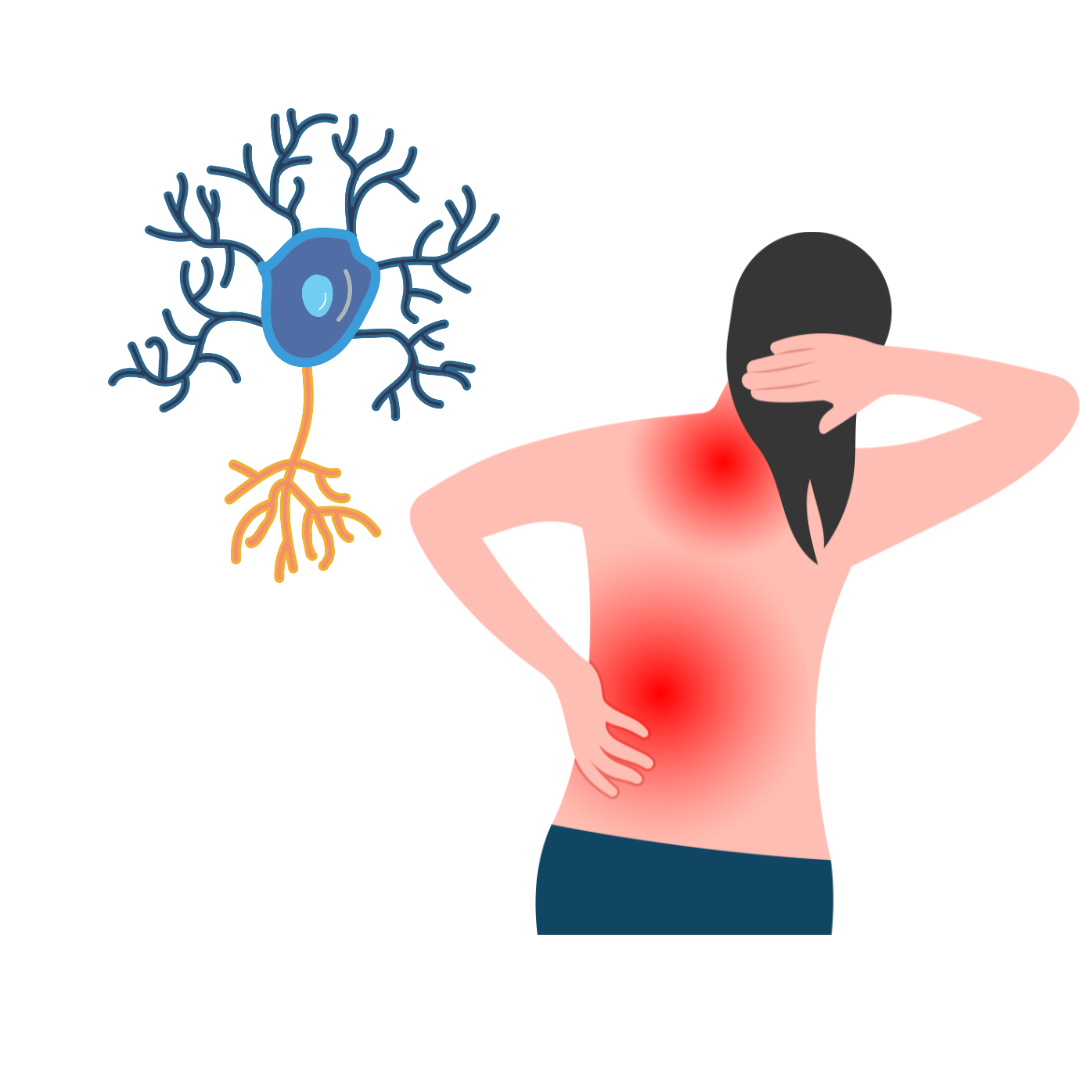
The Role of Dorsal Root Ganglia in Fibromyalgia: Insights into Pain Generation
The dorsal root ganglia (DRG) are clusters of nerve cells located along the spine, specifically where nerve roots emerge from the spinal cord. These ganglia are composed of the cell bodies of sensory neurons, which are responsible for transmitting sensory information from the body to the brain. Each DRG contains thousands of these sensory nerve cell bodies, tightly enveloped by supportive cells called glial cells. The DRG play a crucial role in processing and transmitting signals related to touch, temperature, and pain sensations. They also contain various molecules and receptors involved in inflammation, immune response, and pain modulation. In conditions like fibromyalgia, these ganglia may become hyperactive or sensitized, contributing to the experience of chronic pain. This study delves into the intricate world of DRG and its potential role as the main source of pain in fibromyalgia, a condition characterized by widespread pain, fatigue, and other symptoms. DRG, found along the spine, possess unique features allowing them to convert various stressful signals, including psychological distress, into neuropathic pain. They house a plethora of inflammatory and nociceptive molecules and are closely connected to the sympathetic nervous system aka the "fight or flight system". Recent findings of small nerve fiber pathology in fibromyalgia patients further support the notion of DRG involvement in this condition. Advanced neuroimaging techniques offer promising avenues for understanding DRG function in fibromyalgia and developing targeted therapies. Overall, this study highlights the potential of DRG as a therapeutic target for alleviating fibromyalgia pain and underscores the need for further research in this area.
Read More
Post-COVID-19 Fibromyalgia Development: New Research Links Recovery to Chronic Pain and Fatigue
A recent study explored the connection between COVID-19 recovery and the development of fibromyalgia, a condition characterized by chronic pain, fatigue, and cognitive issues. Conducted through an online survey, the research found that about 30% of individuals who had recovered from COVID-19 experienced symptoms meeting the criteria for fibromyalgia. Notably, the study identified obesity and male gender as significant risk factors for developing post-COVID-19 fibromyalgia. This highlights the need for greater awareness and potential management strategies for chronic symptoms in post-COVID-19 patients. The study underscores that lingering symptoms of COVID-19 can be severe and multifaceted, affecting patients long after the initial infection has resolved.
Read More
Platelet-Rich Plasma Therapy Offers Significant Pain Relief for Women with Knee Osteoarthritis
This study explored how men and women with knee osteoarthritis (KOA) respond to platelet-rich plasma (PRP) therapy, which involves injecting a concentration of the patient's platelets to aid healing. Researchers treated 418 patients with three weekly PRP injections and assessed their pain and overall health before and six months after treatment. Women, who initially experienced more severe pain and poorer physical and mental health than men, showed significant improvement. By the end of the study, a higher percentage of women reported meaningful pain relief compared to men, highlighting that PRP can be an effective treatment for knee osteoarthritis, especially for women.
Read More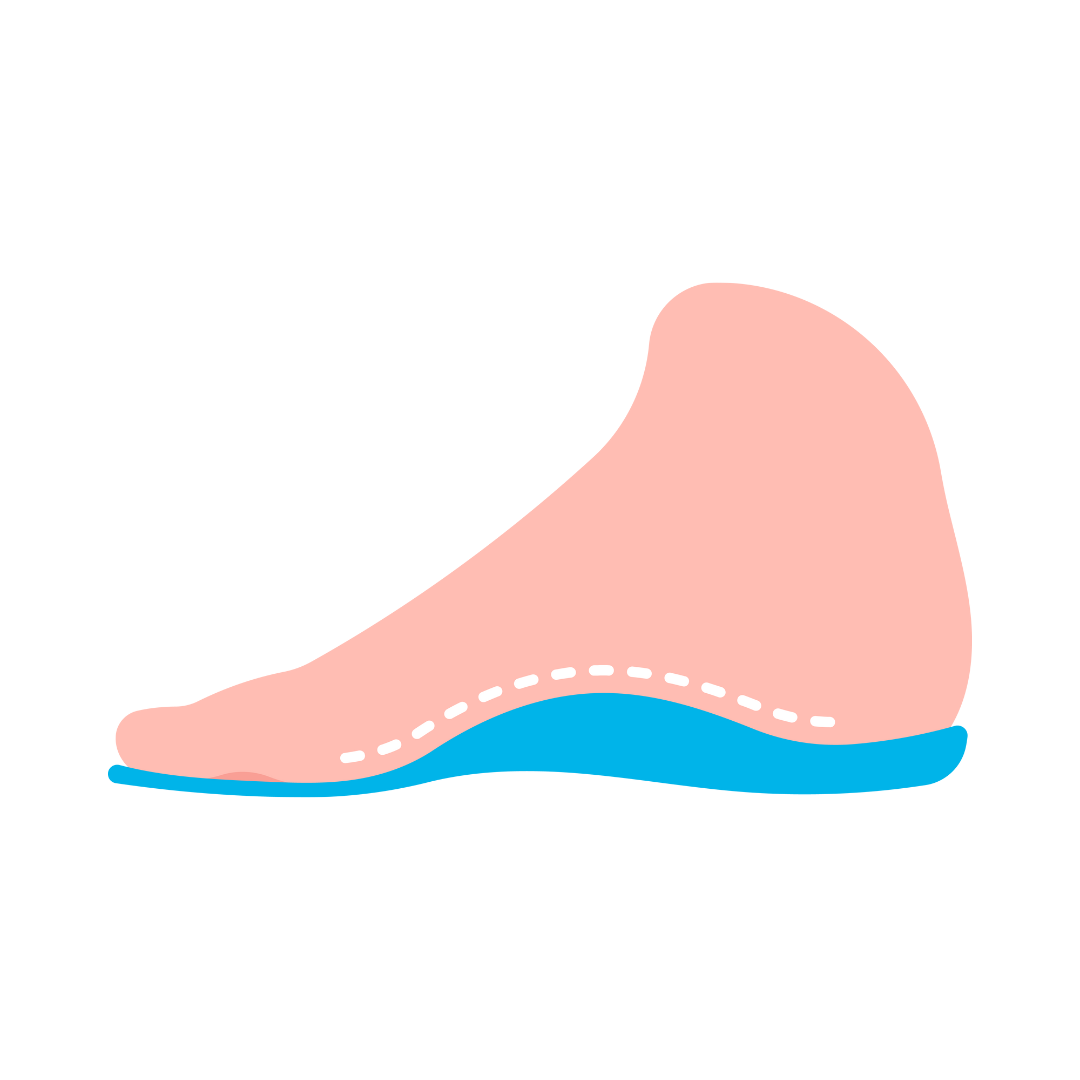
Finding Relief: How Custom Shoe Orthotics and Chiropractic Care Ease Chronic Back Pain
This study explored the effectiveness of custom-made shoe orthotics in treating chronic low back pain (CLBP). For 6 weeks, 225 adult participants were divided into three treatment groups: one received orthotics, another received orthotics plus chiropractic care, and a control group received no immediate treatment. After six weeks, both orthotics groups showed significant improvements in pain and daily function compared to the control group, with additional functional benefits observed in the group receiving chiropractic care. After the 6-week point, all subjects received orthotics, which explains why the differences between groups diminished after 12 weeks and were negligible. However, the positive effects of orthotics on pain and function persisted for up to 12 months. The study suggests that custom-made orthotics can effectively reduce CLBP and enhance daily activities, with added benefits from chiropractic care.
Read More